Tile, Slabs & Beyond: How Designers Choose the Right Backsplash for a Luxury Kitchen
When it comes to crafting a luxury kitchen, the backsplash is far more than a mere finishing touch—it’s a defining element that ties the entire space together. Yet, many homeowners find themselves overwhelmed by the vast array of backsplash options, unsure how to balance aesthetics, durability, and functionality. As designers, we approach this decision with a clear vision, prioritizing materials that elevate the kitchen’s elegance while standing up to daily use. In this post, I’ll share how we select the best backsplash materials for luxury kitchens, revealing the thoughtful trade-offs and design principles behind each choice.
Elevating Kitchen Design Through Material Selection
Choosing the right backsplash material is a nuanced process that goes beyond surface beauty. It’s about how the material interacts with light, complements cabinetry and countertops, and endures the kitchen’s demands. For luxury kitchens, two priorities often guide our decisions: seamless sophistication and lasting performance. For example, in a high-end kitchen with sleek quartz countertops, a slab backsplash can create a continuous, architectural look that feels both modern and understated. This choice avoids the visual clutter that intricate tile patterns might introduce, maintaining a calm, cohesive atmosphere.
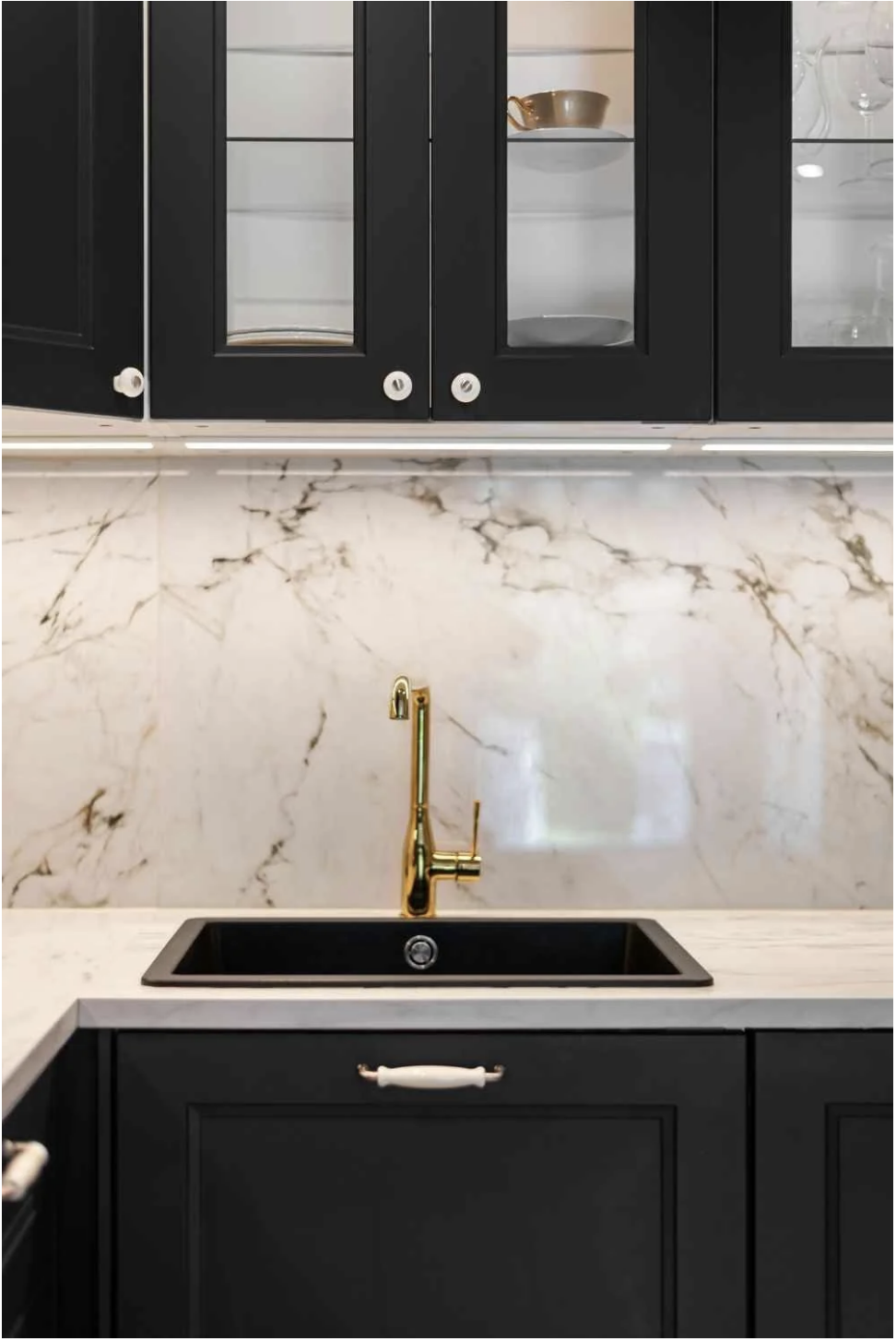
Slab Backsplashes: Seamless and Architectural
Slab backsplashes, typically crafted from materials like quartz, marble, or granite, offer a seamless surface that visually extends the countertop upward. This approach is especially favored in luxury kitchens where simplicity and refinement are paramount. The absence of grout lines means less maintenance and a cleaner aesthetic. However, the tradeoff is that slab backsplashes require precise fabrication and installation, which can increase costs and limit design flexibility. Still, for clients seeking a minimalist yet impactful statement, slabs deliver unmatched elegance
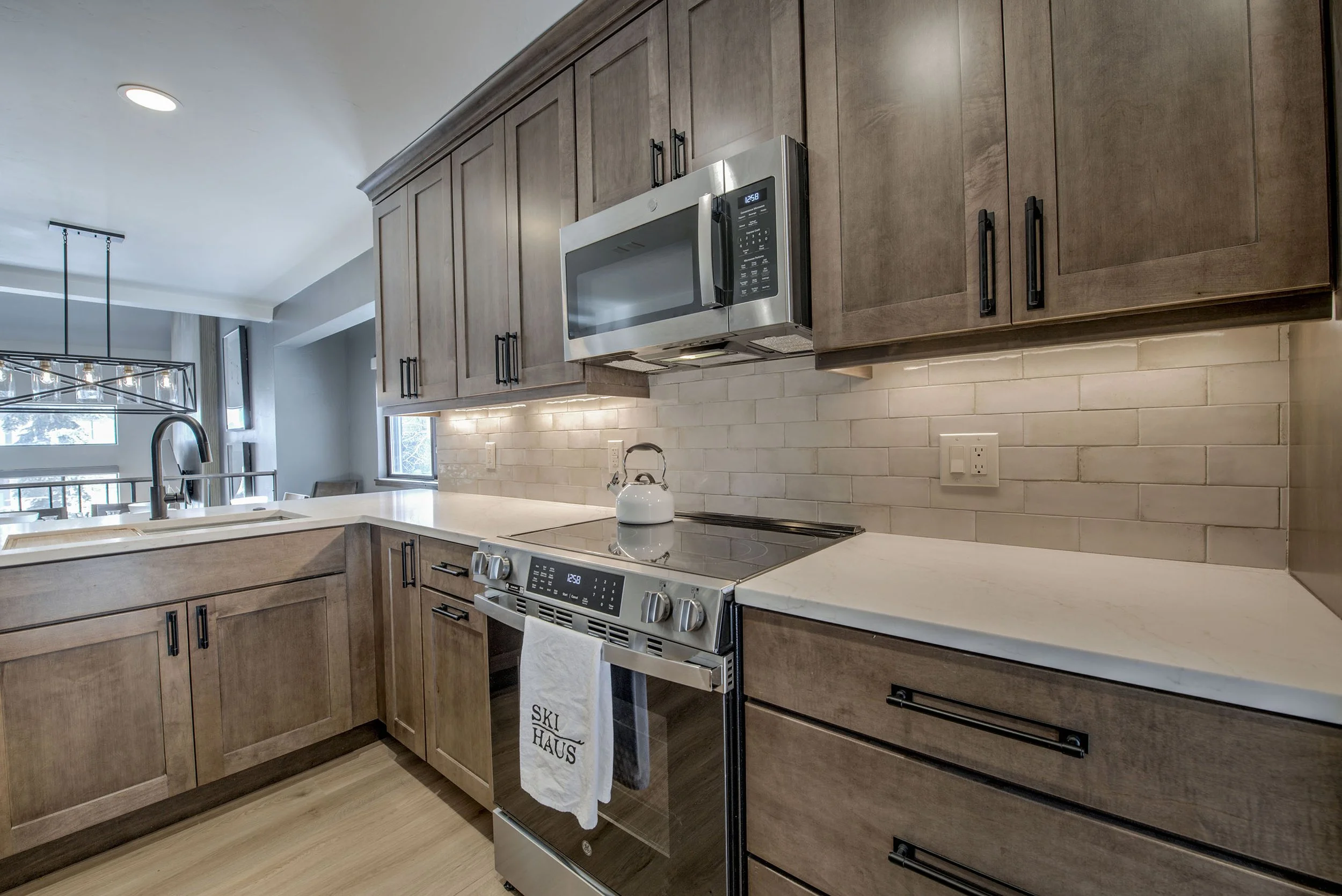
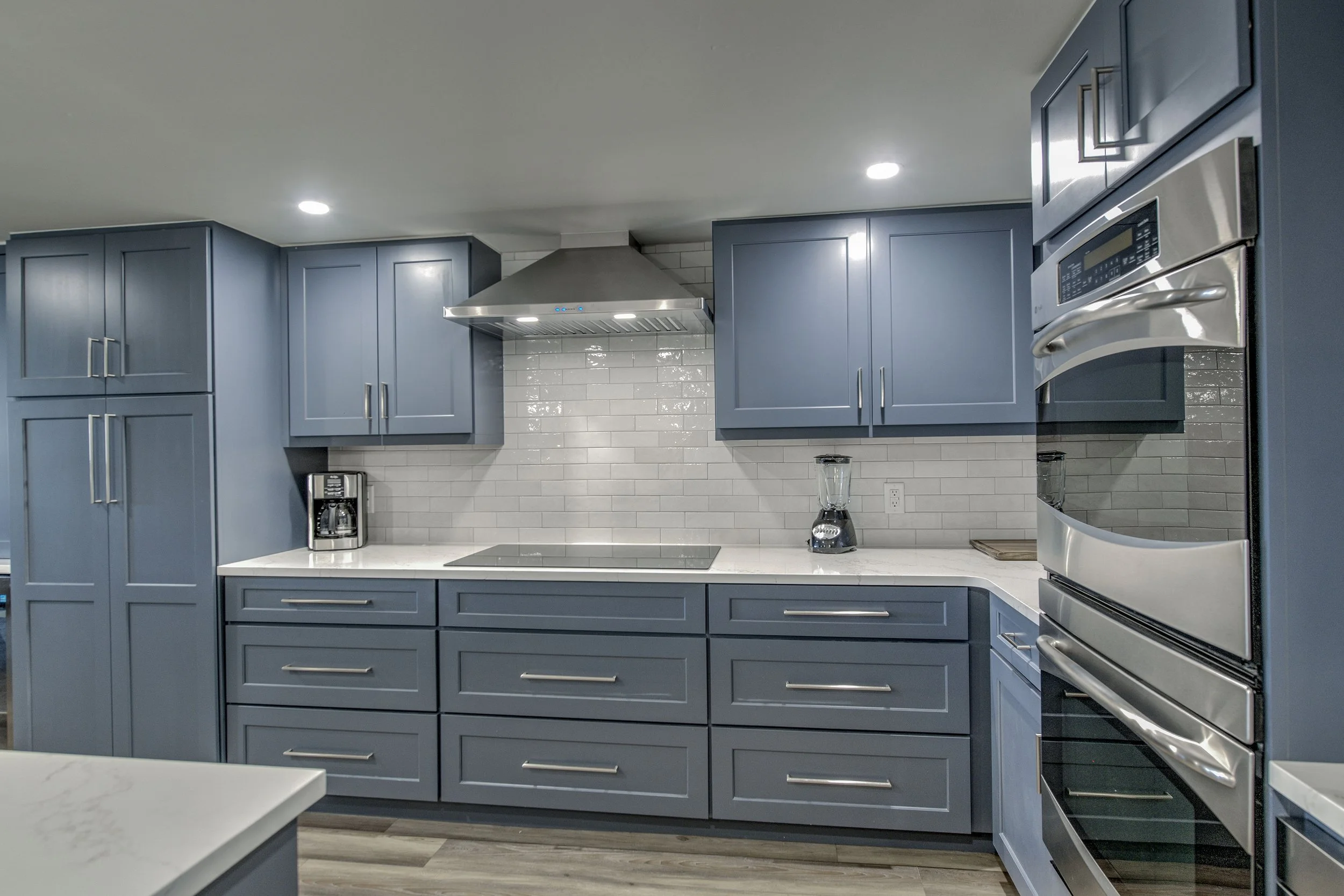
Tile Backsplashes: Texture, Pattern, and Subtle Detail
While slabs emphasize continuity, tile backsplashes bring texture and personality to a kitchen. Designers often select tiles with subtle patterns or unique finishes to add depth without overwhelming the space. For instance, hand-glazed ceramic tiles or natural stone mosaics can introduce artisanal charm that complements luxury materials elsewhere in the kitchen. The key is restraint—choosing tile styles that enhance rather than compete with other design elements. This balance ensures the backsplash feels intentional and integrated, not decorative for decoration’s sake.
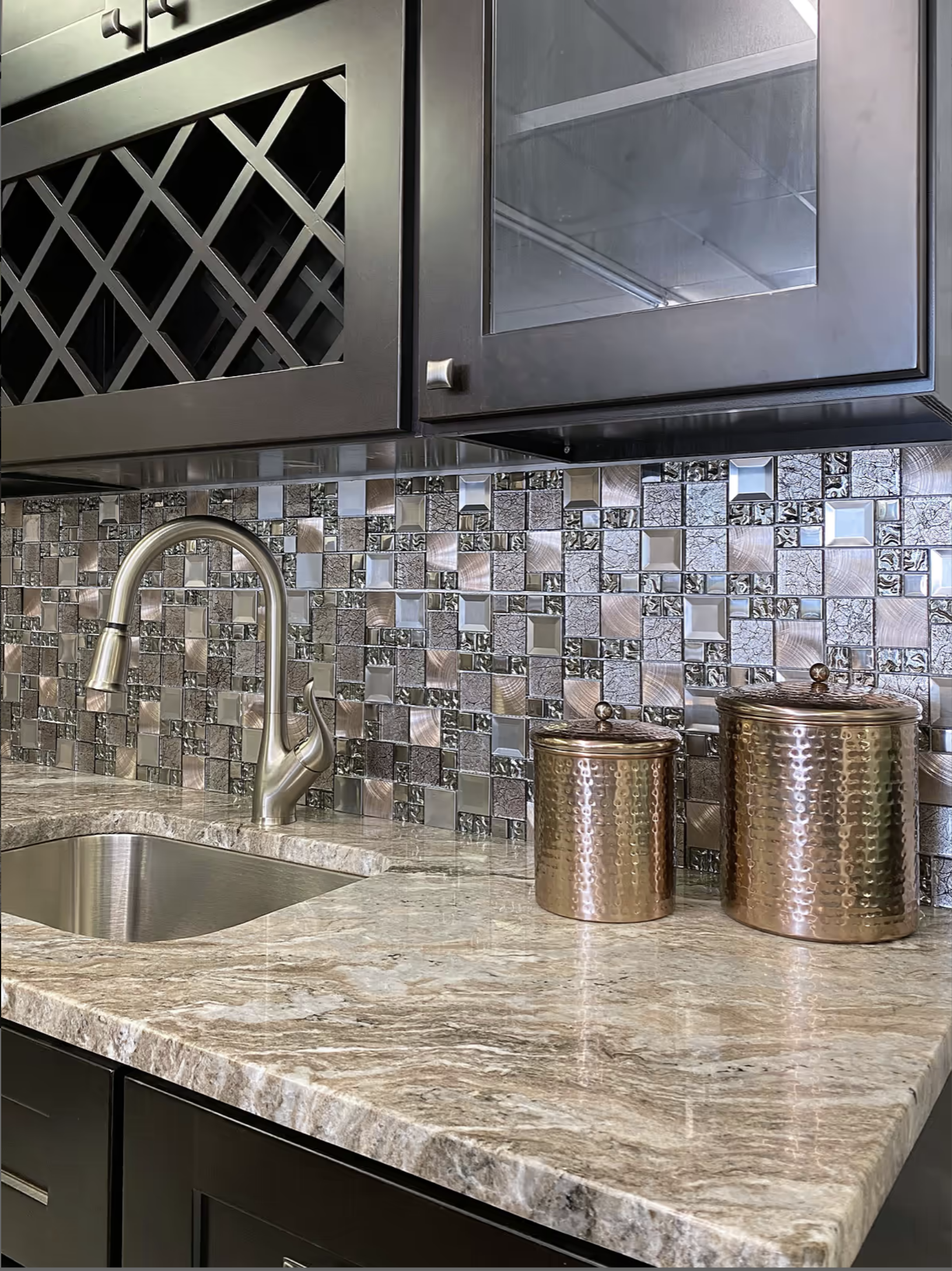
Exploring Integrated and Alternative Materials
Beyond traditional tile and slabs, designers sometimes incorporate alternative materials like plaster, metal, or wood to create distinctive backsplashes. These options can add warmth, reflectivity, or texture that elevates the kitchen’s character. For example, a brushed metal backsplash behind a professional-grade stove can provide both durability and a sleek industrial edge. However, these materials require careful consideration regarding maintenance and compatibility with kitchen activities. The decision to use them involves weighing their aesthetic contribution against practical concerns.
Key Principles for Selecting Luxury Kitchen Backsplashes
Prioritize Cohesion Over Contrast
A backsplash should feel like a natural extension of the kitchen’s overall design. Whether opting for slabs or tiles, the material’s color, texture, and finish must harmonize with countertops, cabinetry, and hardware to create a unified look.Balance Beauty with Functionality
Luxury kitchens are meant to be lived in. Selecting backsplash materials that resist stains, heat, and wear ensures the space remains beautiful and functional over time.Embrace Intentional Simplicity
Sometimes, less is more. Avoiding overly busy patterns or excessive material mixing helps maintain the kitchen’s elegance and timeless appeal.
FAQs
Q: Are slab backsplashes more expensive than tile?
A: Generally, yes. Slabs require precise cutting and installation, which can increase costs compared to standard tile options.
Q: How do I choose between tile and slab for my backsplash?
A: Consider your kitchen’s style, maintenance preferences, and budget. Slabs offer seamless elegance with easier cleaning, while tiles provide more design variety and texture.
Q: Can alternative materials like metal or wood work in a backsplash?
A: Yes, but they require careful selection and maintenance planning to ensure durability and compatibility with kitchen use.
Ready to elevate your luxury kitchen with the perfect backsplash? Contact us to explore tailored options that seamlessly blend beauty and practicality.
Until Next time,
Lynn
